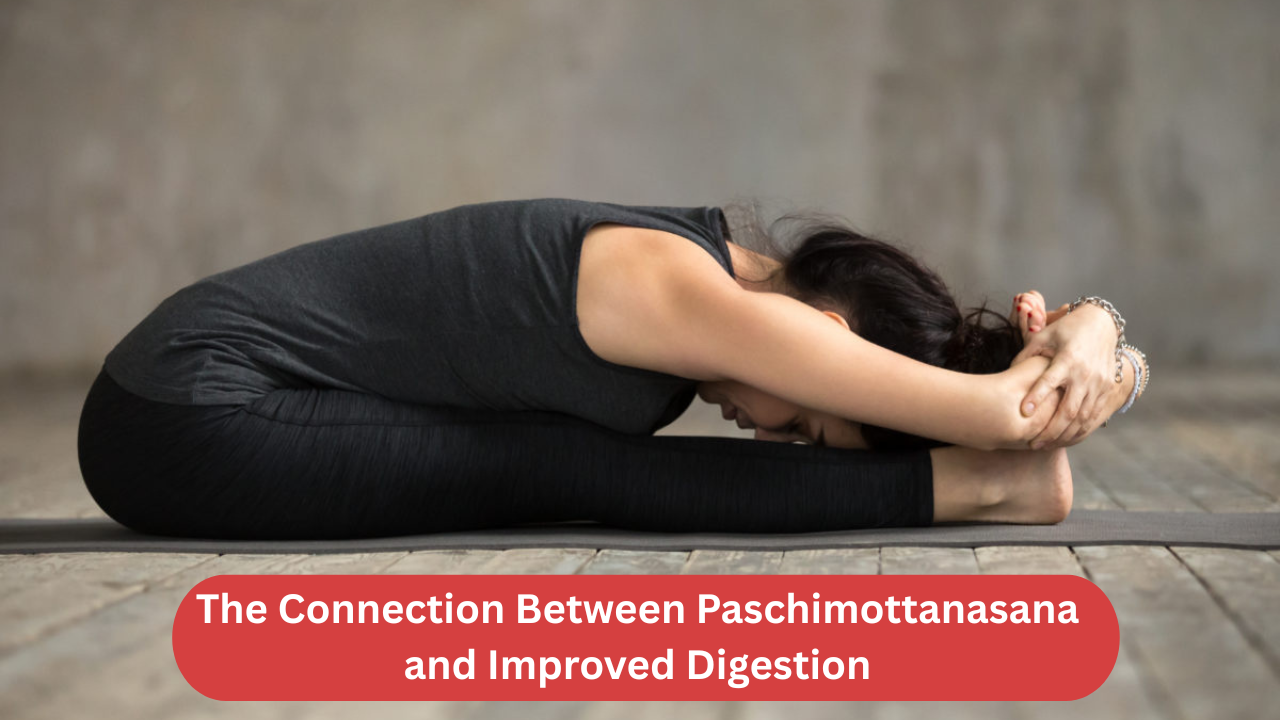
In the modern-day world that is overly busy, and instant gratification is the ultimate truth, we tend to ignore the subtle influence of yoga to heal not only our bodies but also our digestions. Move on to Paschimottanasana, or Seated Forward Bend, which is a pose apparently simple, but is a powerhouse when it comes to enhancing digestive health. Yet what is so special about this asana? As a traditional yoga pose, we will discuss in this post the interesting relationship between this yoga posture and better digestion. Though it may be the case that you are struggling with bloating or are just simply trying to find some peace of mind by doing something that will help you feel better all round, then we are going into how bending forward can bring you to a better peace of mind in your gut!
Introduction to Paschimottanasana and its benefits for digestion
Do you feel bloated or do you have a feeling of occasional stomach upsets? You’re not alone. Some individuals have problems with digestion and this is irritating as well as embarrassing. When you want to find natural remedies that can help enhance digestion, you need to come to Paschimottanasana: an old yoga practice that can be your new best friend.
Paschimottanasana or the Seated Forward Bend is not just an ordinary stretch, it is an effective means of enhancing the general wellness and health. This pose is soft but efficient and it stimulates the organs of the abdomen as well as assists in relaxation and mindfulness. Having a strong influence of the yogic tradition, this asana has become a popular activity thanks to the numerous benefits, with the prominent one being the influence on digestive health.
In this post, we’ll explore how practicing Paschimottanasana can transform your digestion from sluggish to smooth sailing. Whether you’re a seasoned yogi or a curious beginner, understanding the relationship between this pose and digestive wellness will empower you to take control of your gut health naturally. Dive in as we unravel the secrets behind Paschimottanasana’s benefits for digestive health!
The role of yoga in promoting digestive health
The practice of yoga is an important part of maintaining the digestive system as it combines physical exercise and conscious breathing. The poses ask the body to communicate with the inner systems, which improves the whole functioning.
You are not only stretching when you practice yoga, you are also massaging your organs. Such mild movement may trigger the digestive process and relieve such problems as bloating or constipation.
Another important feature of yoga that is helpful in digestion is mindfulness. Being mindful of your breath brings about awareness in the food that is consumed and what you eat, which can be better.
Further, some of the poses enhance blood circulation in the abdomen. High circulation helps in taking up nutrients and also helps in the removal of toxins in the body.
In the end, this whole body treatment restores stability to both mind and gut leading to a better digestive health. Yoga can be incorporated into your life and bring some significant changes that positively affect your daily experience.
How Paschimottanasana specifically impacts the digestive system
The seated forward bend (Paschimottanasana) is very beneficial to your digestive system. The stress experienced on your stomach and intestines as you fold forward is soothing. This will help to improve blood flow within the region which improves the absorption of nutrients.
Besides, this pose promotes an extensive stretch of the spine and hamstrings. These extensions can be useful in reducing tension in the abdominal area that may cause discomfort due to bloating or constipation.
It is also facilitated by breathing deeply in Paschimottanasana. The attention paid to breath stimulates the parasympathetic nervous system, which promotes relaxation and stress relief an aspect that is often a source of problems in the digestive system.
A regular practice of this pose can help to achieve better digestion over the passage of time. By making it an everyday habit, you make time to engage in more conscious eating practices that respect the needs of your body.
Also Visit: 200 Hour Yoga Teacher Training in Rishikesh
Step-by-step guide on how to do Paschimottanasana properly
This can be done by sitting on the floor with your legs stretched in front of you. Maintain a straight position with the shoulders loose.
Breath deeply pushing your hands to the sky. This is a warm-up to the forward bend which is going to follow.
Exhale, flex at hips and forwards lean. You have to seek to draw your chest toward your thighs as opposed to curving your back.
Bend down to your feet or shins, as you can bend. Grasp them without hard work.
Pay attention to having a long spine during the pose. Relax steadily by slowly breathing.
Hold this posture of 30 seconds to one minute. Let every breath sink, increasing the extent, and inducing relaxation.
In order to get out safely move gradually back up with an inhalation. Return to conscious again of your positioning and then move to another position or sleep.
Other asanas that can aid in digestion
Paschimottanasana can be used as a supplement to several other yoga poses used in relation to digestion. Both of the positions have their own benefits that are able to stimulate and relax the digestive system.
Cat-Cow Pose is a good pose to massage the abdominal organs. The soft movement back and forth through arching and rounding will help you move the blood and get the gut relaxed.
Seated Forward Bend is also beneficial in stealing the fire, the movement of the spine is long and the abdomen is squashed slightly, which enhances the digestive process. The pose will contribute to the process of detoxification, which will improve the overall well-being.
The name Wind-Relieving Pose has a literal meaning. Bringing the knees up to your chest will help you decongest the gaseous buildup and achieve normal bowel movements.
Lastly, Supine Spinal Twist is a deep torso stretch. Twisting exercises offer a massage on internal organs and this aids in the removal of waste.
These asanas can be used as a supplement to the powerful effects of Paschimottanasana, which may help balance digestion and improve it.
Tips for incorporating Paschimottanasana into your daily routine
Incorporating Paschimottanasana into your daily routine can be a refreshing way to enhance your digestive health. Start by setting aside just a few minutes each morning. This will help create consistency.
Choose a quiet space that invites focus and calmness. A serene environment can make all the difference in your practice.
Consider pairing this pose with mindful breathing techniques. Deep, intentional breaths not only prepare your body but also promote relaxation.
If mornings feel rushed, try integrating it into breaks throughout the day. Even five minutes can provide relief and clarity during hectic schedules.
Listening to music or calming sounds while practicing may elevate the experience further.
Lastly, keep a journal of how you feel after each session. Tracking these changes can motivate you to continue this beneficial habit over time.
Conclusion: the importance of listening to your body and finding what works best for you.
It is important to listen to your body as far as yoga and health is concerned. The experience of Paschimottanasana can differ with every person and, therefore, one should pay attention to the way his or her body reacts to practice. The many advantages of this asana to digestive health may well be realized, but not without a conscious decision to do so.
It takes time to discover the best way to do things. There is no need to worry about modifying the posture or consulting a qualified teacher. Give yourself the beauty of finding–some days will be not so hard as others.
It is a good asana to include in your routine not only this can help with digestion but it can also help you connect with the body and the mind in a new way. Be regular, keep an open mind and enjoy the process of becoming better digestively fit by using Paschimottanasana.