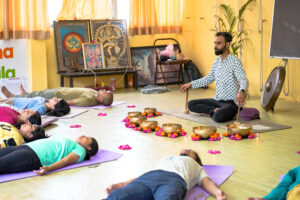
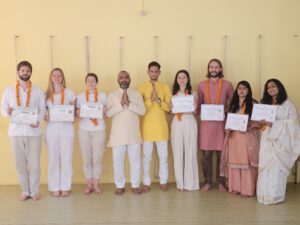
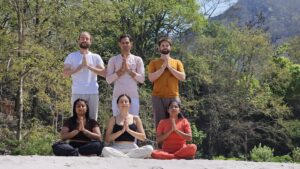
A 200-Hour Yoga Teacher Training is more than learning how to perform yoga poses. It is an immersive journey that helps students deepen their personal practice, understand the foundations of yoga, and develop the knowledge and confidence needed to guide others.
For many students, choosing a 200-hour program is the first major step toward becoming a professional yoga teacher. Whether your goal is to teach yoga, deepen your personal practice, or explore the traditional philosophy of yoga, a well-structured training can provide a strong foundation.
Rishikesh, India, is one of the most popular destinations for students seeking an authentic yoga learning experience. A Yoga Teacher Training in Rishikesh can combine traditional teachings with practical training in a supportive learning environment.
What Is a 200-Hour Yoga Teacher Training?
A 200-hour yoga teacher training program is generally designed to provide foundational knowledge in yoga practice, teaching methodology, anatomy, philosophy, breathing practices, meditation, and related subjects.
The exact curriculum varies between schools, but students typically spend several weeks studying both theory and practical techniques.
The purpose is not simply to memorize yoga postures. Students learn how to understand, practice, demonstrate, modify, and teach yoga in a safe and meaningful way.
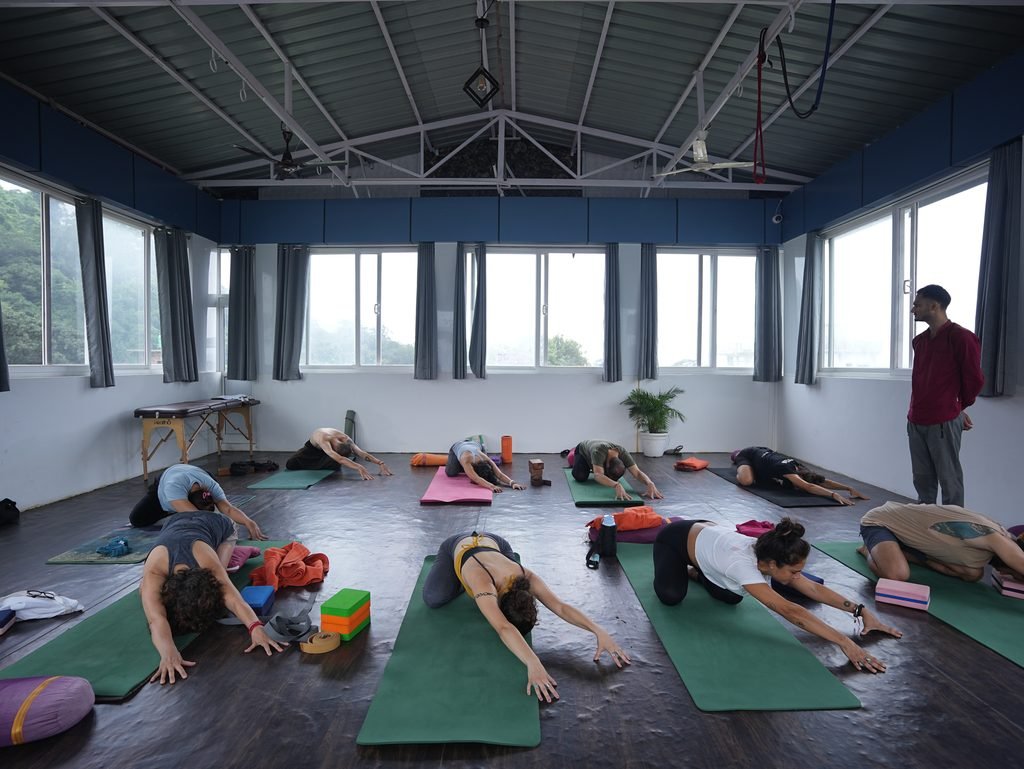
What to Expect During Your 200-Hour Yoga Teacher Training
1. Daily Yoga Asana Practice
A major part of the training is regular asana practice. Depending on the school’s approach, students may explore traditional practices such as Hatha Yoga, Ashtanga Yoga, Vinyasa, alignment-based practices, and restorative techniques.
You will learn how to approach postures with greater awareness rather than focusing only on physical performance.
Classes may include:
- Standing postures
- Forward bends
- Backbends
- Twists
- Hip-opening postures
- Balancing poses
- Inversions
- Sun Salutations
- Relaxation practices
The goal is to develop both personal experience and an understanding of how to guide others.
2. Pranayama and Breath Awareness
Pranayama is an important component of traditional yoga. During a 200-hour training, students may learn different breathing techniques and explore their relationship with concentration, relaxation, and meditation.
You may study practices such as alternate nostril breathing, abdominal breathing, Ujjayi breathing, and other traditional techniques according to the school’s curriculum.
Students are encouraged to practice these techniques mindfully and understand when and how they can be appropriately incorporated into a yoga class.
3. Yoga Philosophy
Yoga is a complete system of practice that extends beyond physical postures.
Yoga philosophy classes may introduce students to foundational concepts from classical yoga traditions, including the Yoga Sutras, the eight limbs of yoga, ethical principles, meditation, and the relationship between mind and body.
These teachings can encourage students to look at yoga as a way of developing greater awareness both on and off the mat.
4. Anatomy and Alignment
Understanding basic anatomy is important for anyone who wants to teach yoga responsibly.
Students may learn about:
- The skeletal system
- Major muscle groups
- Joint movements
- Spinal movement
- Functional anatomy
- Postural alignment
- Common movement patterns
- Basic injury prevention principles
Anatomy education helps teachers understand that every student’s body is different. A posture may need to be modified depending on an individual’s mobility, experience, and physical needs.
5. Teaching Methodology
One of the most important parts of a 200-hour program is learning how to teach.
Students gradually move from practicing yoga themselves to observing, demonstrating, explaining, and guiding postures.
Teaching methodology may include:
- How to structure a yoga class
- Giving clear verbal instructions
- Demonstrating asanas
- Using appropriate teaching cues
- Offering modifications
- Creating balanced sequences
- Managing a group class
- Developing confidence as a teacher
You may also have opportunities to practice teaching your fellow students and receive feedback from your instructors.
6. Meditation and Mindfulness
Meditation provides an important balance to physical yoga practice.
During teacher training, students may explore different approaches to meditation, mindfulness, concentration, visualization, mantra, and relaxation.
Regular meditation can help students develop greater awareness of their thoughts, emotions, breath, and physical sensations.
7. Yoga Nidra and Relaxation
Some 200-hour programs also introduce Yoga Nidra and other relaxation practices.
Yoga Nidra is traditionally practiced while lying down in a comfortable position and following guided awareness techniques. It can be a valuable addition to a yoga teacher’s toolkit when taught appropriately.
8. Learning About Sequencing
A good yoga class is more than a collection of individual poses.
Students learn how postures can be arranged to create a logical and purposeful sequence. This can include considering warm-up movements, preparation poses, peak postures, counterposes, and relaxation.
Learning sequencing helps future teachers create classes that are appropriate for different levels and objectives.
9. Practical Teaching Experience
A 200-hour course should provide opportunities to practice teaching, not just listening to lectures.
You may be asked to lead short sections of a class, demonstrate an asana, guide breathing exercises, or create a complete sequence.
Constructive feedback from teachers and classmates can help you improve your communication and teaching skills.
What Is a Typical Day Like?
The daily schedule varies between yoga schools, but teacher training is usually structured around a combination of practical and theoretical sessions.
A typical day may include:
Morning:
Meditation, pranayama, and asana practice
Late morning:
Breakfast or a break followed by anatomy, philosophy, or methodology
Afternoon:
Teaching methodology, alignment, sequencing, or workshops
Evening:
Meditation, Yoga Nidra, discussion, or additional practice
The schedule can be intensive, so students should be prepared to maintain a consistent routine throughout the course.
Is a 200-Hour Yoga Teacher Training Difficult?
A 200-hour program can be physically and mentally demanding, especially for students who are new to intensive yoga study.
However, you do not need to be extremely flexible or able to perform advanced yoga poses to begin.
A willingness to learn, regular participation, an open mind, and commitment to the practice are often more important than physical ability.
You should always communicate with your teachers about injuries, limitations, or concerns so that appropriate modifications can be considered.
What Should You Bring to Yoga Teacher Training?
Before traveling for your course, check the school’s specific packing list and accommodation information.
Common items include:
- Comfortable yoga clothing
- Yoga mat
- Water bottle
- Notebook and pens
- Personal toiletries
- Comfortable everyday clothing
- Light layers
- Appropriate footwear
- Personal medications or essentials
- Travel and health insurance documents
Many schools provide course manuals and other learning materials, but it is useful to confirm what is included before arrival.
Why Choose Yoga Teacher Training in Rishikesh?
Rishikesh has a long association with yoga, meditation, and spiritual learning. Students from around the world travel to the city to experience yoga in an environment closely connected with India’s traditional yoga culture.
A Yoga Teacher Training in Rishikesh can offer students the opportunity to study asana, pranayama, meditation, philosophy, anatomy, and teaching methodology while experiencing the unique atmosphere of the region.
When choosing a program, however, it is important to look beyond the location. Consider the school’s curriculum, teachers, course structure, accommodation, student reviews, class size, certification, and teaching approach.
Choosing the Right Yoga School in Rishikesh
There are many schools and training programs available, so selecting the right one requires careful research.
When comparing a Yoga School in Rishikesh, consider:
Course Curriculum
Check whether the curriculum covers the subjects that are important to you, including asana, pranayama, anatomy, philosophy, meditation, sequencing, and teaching methodology.
Experienced Teachers
Research the teachers and their backgrounds. A knowledgeable teacher can make a significant difference to your learning experience.
Class Size
Smaller groups may provide more opportunities for individual guidance and teaching practice.
Accommodation and Meals
If accommodation and meals are included, review what is provided and whether dietary requirements can be accommodated.
Certification
Check what certificate you will receive after completing the program and understand any relevant registration or professional requirements.
Student Reviews
Reviews can help you understand the experiences of previous students, although it is best to consider multiple sources rather than relying on a single review.
How a 200-Hour Training Can Transform Your Yoga Practice
One of the most valuable aspects of teacher training is the opportunity to approach familiar practices from a new perspective.
A posture that once seemed simple may become much more meaningful when you understand its alignment, anatomy, breathing patterns, modifications, and teaching principles.
The training can also encourage greater discipline, self-awareness, patience, and confidence.
Even if you ultimately decide not to teach professionally, the knowledge gained through a 200-hour course can become a strong foundation for your personal yoga journey.
Frequently Asked Questions
Do I need previous yoga experience?
Requirements vary between schools. Many 200-hour programs welcome beginners with some basic yoga experience, while others recommend regular practice before joining.
Do I need to be flexible to join a 200-hour course?
No. Flexibility is not a requirement for becoming a yoga teacher. Yoga teacher training is designed to help you understand the practice rather than compete in advanced postures.
Will I become a yoga teacher after completing 200 hours?
A 200-hour program is commonly considered foundational teacher training, but certification and professional teaching requirements can vary depending on the school, organization, and country where you intend to teach.
What subjects are taught in a 200-hour yoga teacher training?
Common subjects include asana, pranayama, meditation, anatomy, yoga philosophy, teaching methodology, alignment, sequencing, and relaxation practices. The exact curriculum differs by school.
Why study yoga in Rishikesh?
Rishikesh offers a distinctive environment for studying yoga, with a strong connection to traditional yoga and spiritual practices. Students can experience both structured training and the broader cultural atmosphere of the region.
Conclusion
A 200 Hour Yoga Teacher Training is an opportunity to deepen your practice, understand the foundations of yoga, and develop the skills needed to guide others with greater confidence and awareness.
From asana and pranayama to anatomy, philosophy, meditation, sequencing, and teaching methodology, the journey can challenge you physically, mentally, and personally.
If you are ready to take your practice further, researching a reputable Yoga School in Rishikesh and finding a course that matches your goals, learning style, and expectations can be the first step toward a meaningful yoga journey.